How to Detail Your Car at Home Like a Pro
Professional car detailing is often viewed as a dark art involving expensive machinery and secret chemicals, but the truth is that 90% of a “pro” finish comes from proper technique and patience. The goal of detailing at home is not just to make the car look shiny, but to decontaminate the surfaces and apply protection that preserves the paint for years. By following a systematic “top-down” approach and using the right tools, you can achieve a showroom finish in your own driveway without the $300 price tag of a professional shop.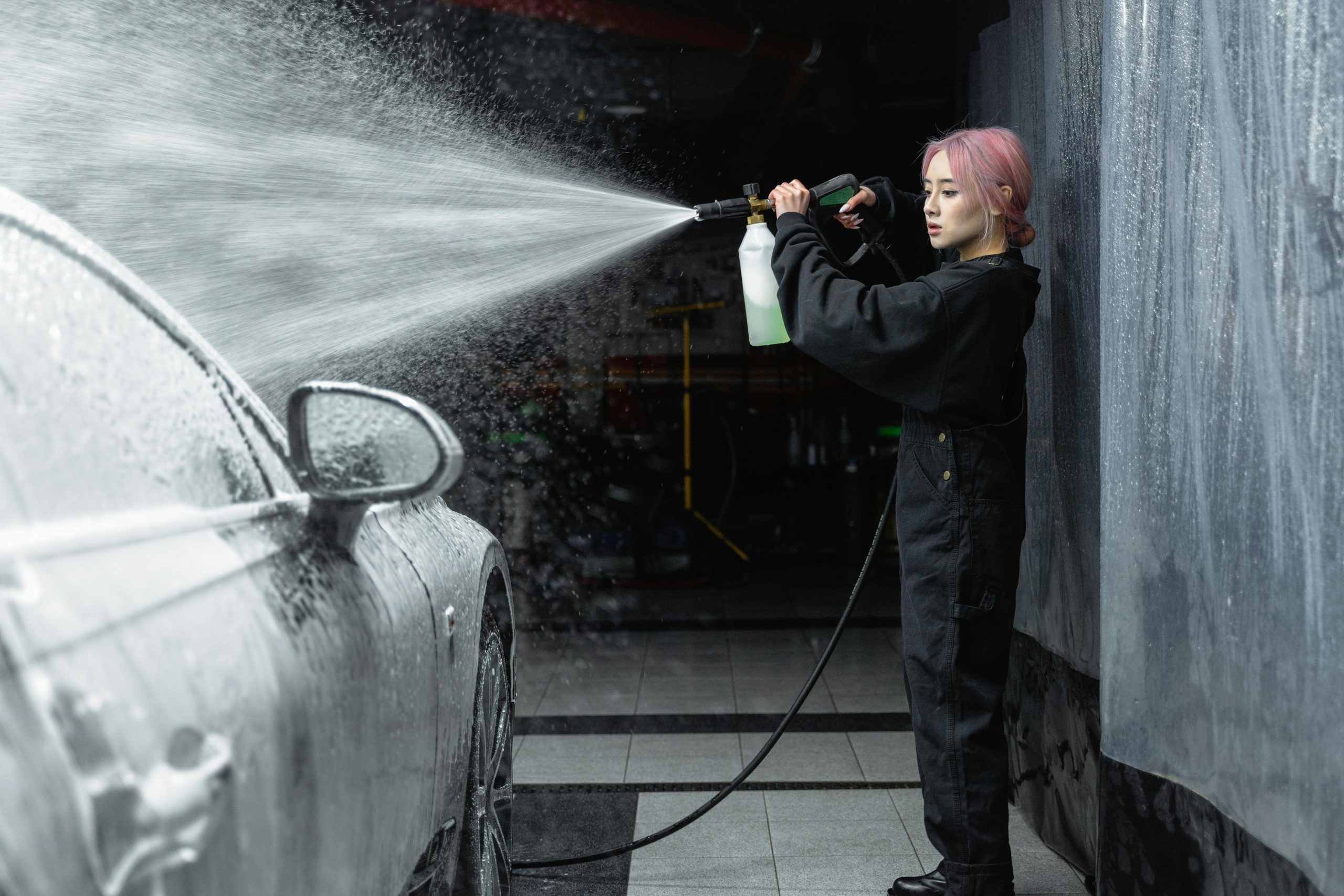
The foundation of any good detail is the “Two-Bucket Wash Method,” which prevents you from scratching your paint with the very dirt you just washed off. You fill one bucket with soapy water and another with plain water; after scrubbing a section of the car with your mitt, you rinse it in the plain water to drop the grit before going back into the soap. This simple habit is the single most important factor in preventing the “swirl marks” often seen on older cars. Always work in a shaded area to ensure your cleaning products don’t dry too quickly, which can leave stubborn streaks and residue on the surface.
Once the car is washed and dried with a high-quality microfiber towel, the next “pro” step is decontamination using a clay bar. Even a clean-looking car has tiny particles of tar, sap, and industrial fallout embedded in the paint that a standard wash won’t touch. By gliding a lubricated clay bar over the surface, you pull these impurities out, leaving the paint feeling as smooth as glass. This step is critical because it ensures that whatever wax or sealant you apply later will actually bond to the paint rather than sitting on top of a layer of microscopic grit.
Interior detailing requires a similarly methodical approach, starting with a deep vacuum of every nook and cranny. Pros use compressed air or soft detailing brushes to loosen dust from air vents, seams, and buttons before vacuuming it away. When cleaning hard surfaces like the dashboard, avoid greasy “armor” sprays that attract more dust; instead, use a mild all-purpose cleaner followed by a specialized protectant that leaves a matte, factory-fresh finish. If you have leather, applying a dedicated cleaner and conditioner is essential to keep the material supple and prevent the cracking that eventually ruins high-end interiors.
The final stage is protection, where you choose between a traditional wax, a synthetic sealant, or a modern ceramic coating. While wax provides a deep, warm glow, it usually only lasts a few months; sealants and ceramic coatings offer superior durability and “hydrophobic” properties that cause water to bead off instantly. Regardless of the product, apply it in thin, even layers and buff it off with a clean microfiber cloth. Detailing your car twice a year with this level of care not only makes it a joy to drive but significantly increases its resale value by preserving the integrity of both the interior and exterior.