Motorcycle Accessories Worth Buying in Year One
Buying your first motorcycle is an adrenaline-fueled milestone, but the sheer volume of “essential” accessories marketed to new riders can be overwhelming and expensive. In your first year of riding, your budget should be ruthlessly prioritized toward items that enhance your safety, protect your investment, and improve your comfort as you build your skills. Most seasoned riders will tell you that they wasted hundreds on aesthetic mods in their first year that they eventually replaced. The goal for a beginner is to build a “protection-first” foundation that allows for more riding and less worrying about gear failure.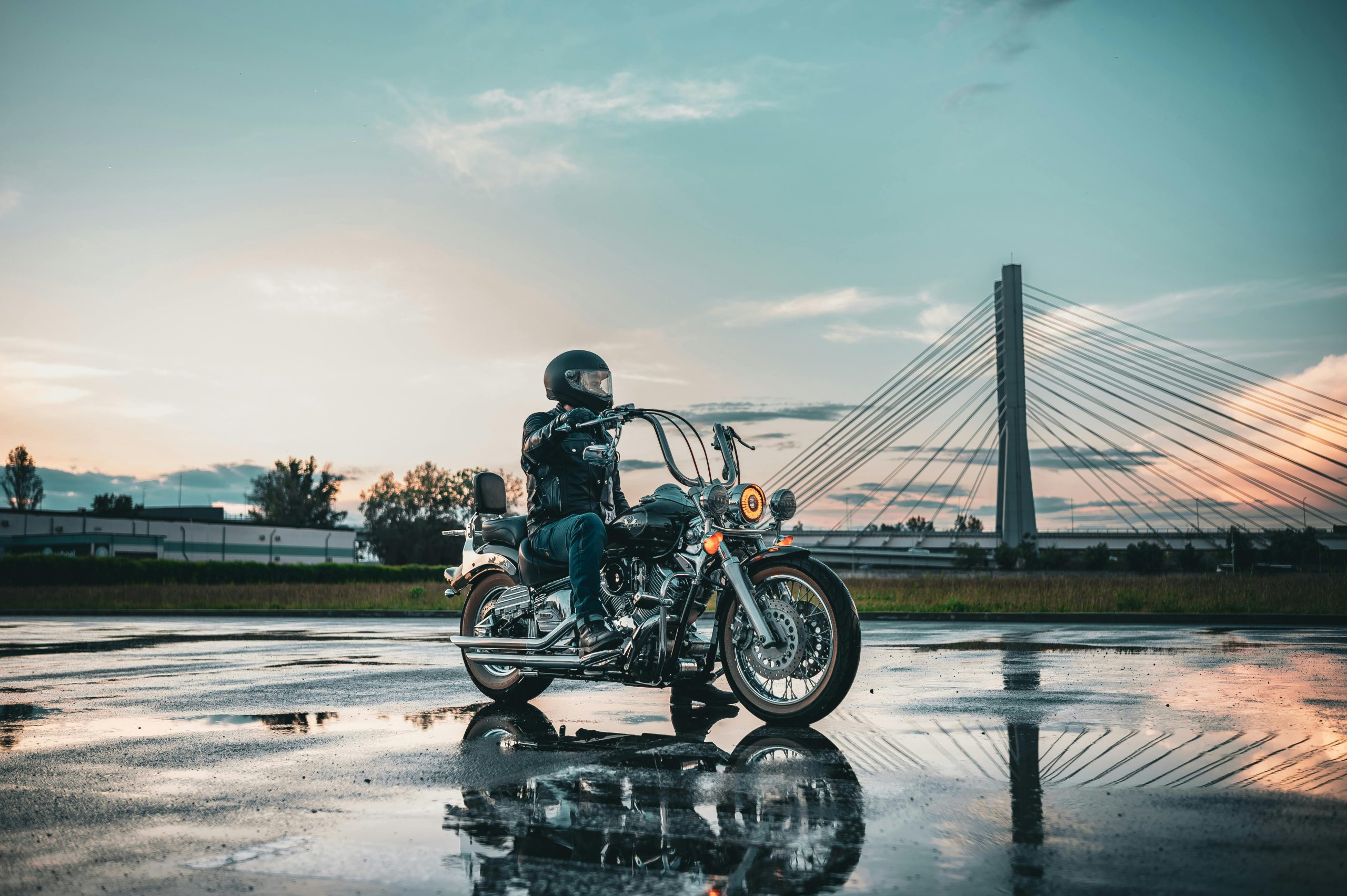
The absolute priority for year one is the “Big Five” of protective gear: a helmet, jacket, gloves, boots, and armored pants. For a helmet, always opt for a full-face model with ECE 22.06 or SNELL certification, as roughly 35% of helmet impacts involve the chin bar—an area left completely exposed by “cool” open-face helmets. Your gloves should feature hard knuckle protection and palm sliders, because your natural instinct in a fall is to catch yourself with your hands. This is not an area to “cheap out”; good gear is the difference between a minor slide and a life-altering injury.
Beyond what you wear, a few mechanical accessories are critical for a first-year rider. A dedicated motorcycle disc lock with a built-in siren is the most cost-effective theft deterrent you can buy, as bikes are significantly easier to steal than cars. Another essential is a “battery tender” or trickle charger; motorcycle batteries are notoriously small and can die after just a few weeks of inactivity, especially in cold weather. Keeping your bike plugged in when it’s not in use ensures it actually starts when you’re ready for that Saturday morning ride, saving you from the frustration of a dead machine.
Comfort-wise, earplugs are arguably the most underrated accessory for new riders. Wind noise at highway speeds can reach levels that cause permanent hearing damage in as little as 15 minutes, and it also contributes significantly to rider fatigue. Simple foam earplugs or filtered “high-fidelity” plugs allow you to hear traffic and your engine while cutting out the exhausting roar of the wind. Additionally, a tank bag or a set of soft panniers allows you to carry water, extra layers, and a flat-tire repair kit without the discomfort and balance-shifting weight of a heavy backpack.
Finally, consider a basic communication system, like a Sena or Cardo, once you feel comfortable with the mechanics of riding. While it’s tempting to use it for music, its real value for a beginner is receiving GPS turn-by-turn directions directly into your helmet, which prevents you from constantly looking down at a phone mount. As you progress through your first year, these practical additions will do more to enhance your experience than any aftermarket exhaust or custom paint job ever could. Focus on what keeps you on the road longer and safer, and the rest of the “biker lifestyle” will follow naturally.