
How to Build Credit From Zero in 6 Months
Building a credit score from scratch can feel like a “catch-22” scenario: you need credit to get a loan, but you need a loan to prove you are worthy of credit. For those starting at zero—whether they are recent graduates, new immigrants, or simply “credit invisible”—the path to a 700+ score isn’t as long or as mysterious as it might seem. By following a disciplined, multi-pronged strategy, it is entirely possible to go from no score to a “Good” rating in exactly half a year. The process requires a shift in mindset, viewing credit not as a way to spend money you don’t have, but as a financial reputation that must be carefully curated.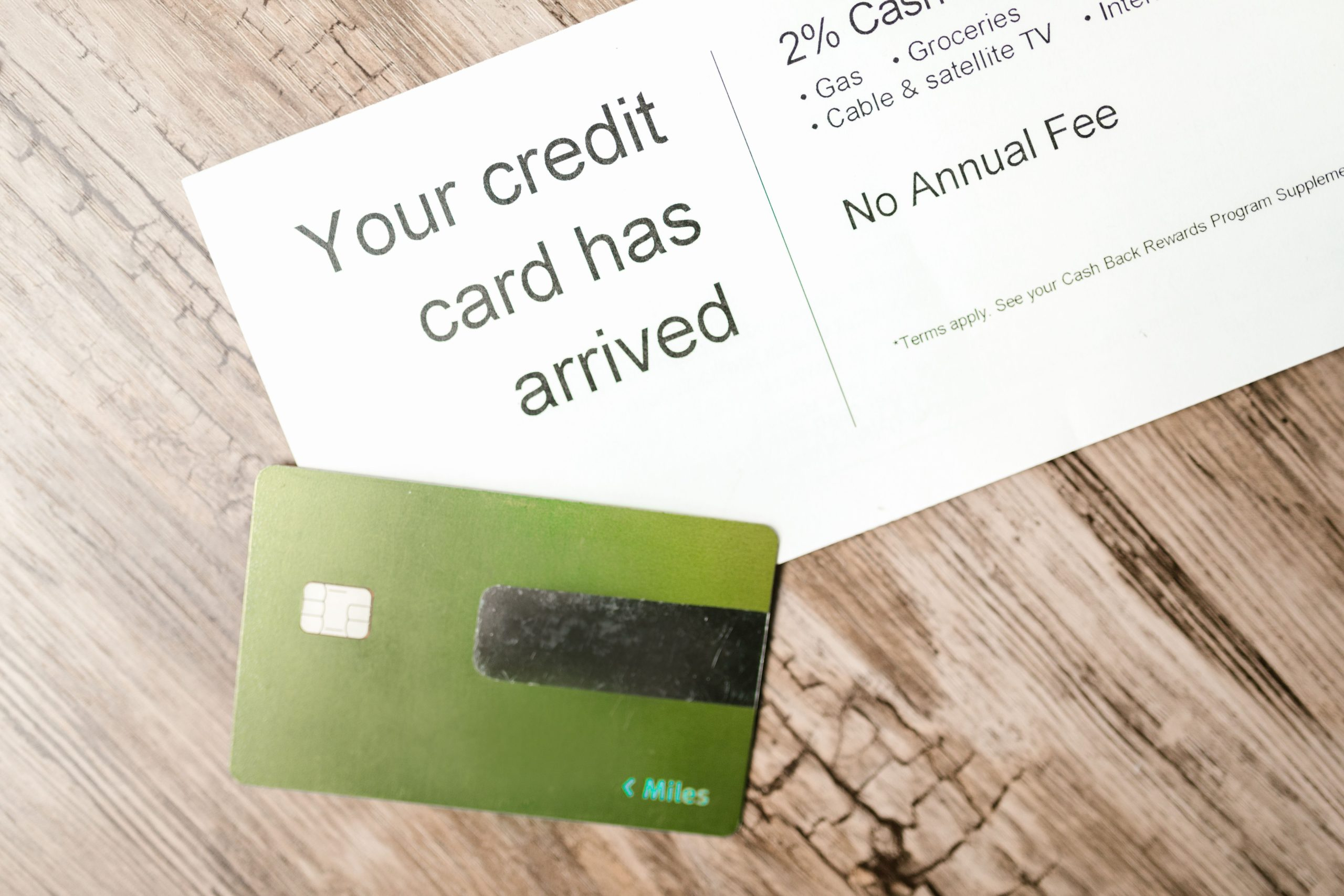
The first and most effective tool for a credit beginner is the “Secured Credit Card.” Unlike a traditional card, a secured card requires a cash deposit that usually serves as your credit limit—for example, you give the bank $200, and they give you a card with a $200 limit. Because the bank has your cash as collateral, they are willing to take a chance on someone with no history. The secret to success here is “utilization.” To maximize your score growth, you should never spend more than 10% of that limit, and you must pay the balance in full every single month. By the third month, the credit bureaus will recognize a pattern of responsible usage, and your score will begin to materialize.
Parallel to the secured card, you should look into a “Credit Builder Loan.” These are offered by many credit unions and fintech companies like Self. In this arrangement, the lender puts a small sum of money—say, $500—into a locked savings account in your name. You then make monthly payments toward that loan, which are reported to the credit bureaus as on-time installments. Once the loan is paid off, the money is released to you, minus some interest and fees. This is a double win: you are forced to save money while simultaneously building a history of installment credit, which complements the “revolving” credit from your credit card.
Another “hack” for rapid growth is becoming an “Authorized User” on a trusted family member’s long-standing account. If a parent or spouse has a credit card with a high limit, a perfect payment history, and low balances, adding your name to that account can instantly “import” years of positive history onto your report. You don’t even need to possess the physical card or spend a dime; the mere association with the account can provide a massive boost to your score in the first 30 to 60 days. However, this is a double-edged sword: if the primary cardholder misses a payment or maxes out the card, your fledgling score will plummet along with theirs.
By month four, it is time to diversify your credit report by reporting non-traditional data. Services like Experian Boost or RentTrack allow you to count your utility bills, Netflix subscriptions, and monthly rent payments toward your credit score. Historically, these payments were ignored, but modern scoring models now recognize that if you can pay your landlord $1,500 every month like clockwork, you are likely a reliable borrower. While this usually only adds a few points, in the early stages of credit building, every single point is a milestone that gets you closer to qualifying for “prime” financial products.
As you enter the final two months of your six-month sprint, the focus shifts to “maintenance and monitoring.” You must be hyper-vigilant about avoiding any new hard inquiries—don’t apply for a car loan or another credit card just yet. Every time a lender pulls your report, it can shave a few points off your score, which is the last thing you want when your history is still thin. Instead, use a free tool like Credit Karma to watch your progress and ensure there are no errors on your report. A single mistake, like a misreported late payment, can derail your entire six-month plan, so catching it early is vital.
By the end of the sixth month, assuming you have kept your utilization low and made every payment on time, you should see a FICO score in the high 600s or low 700s. At this stage, your “training wheels” can come off. Most banks will automatically graduate your secured card to an unsecured one and return your deposit. You have successfully moved from “credit invisible” to a reliable borrower, opening the door to lower interest rates on future car loans, easier apartment approvals, and even better insurance premiums. The journey from zero is about consistency, not complexity.