The $30 Serum That Replaced My $200 One
In the high-stakes world of luxury skincare, the price tag often reflects the weight of the gold-embossed packaging and the cost of celebrity marketing campaigns more than the actual liquid inside. For years, I was a devotee of a specific $200 vitamin C serum, convinced that its steep price was the only thing standing between me and premature aging. I believed the narrative that “medical grade” or “prestige” meant higher stability and better results. However, as the skincare market became more transparent and ingredient-focused, I began to realize that chemistry is a universal language. When I finally made the switch to a $30 alternative, I was shocked to find that my skin didn’t just maintain its health—it actually improved.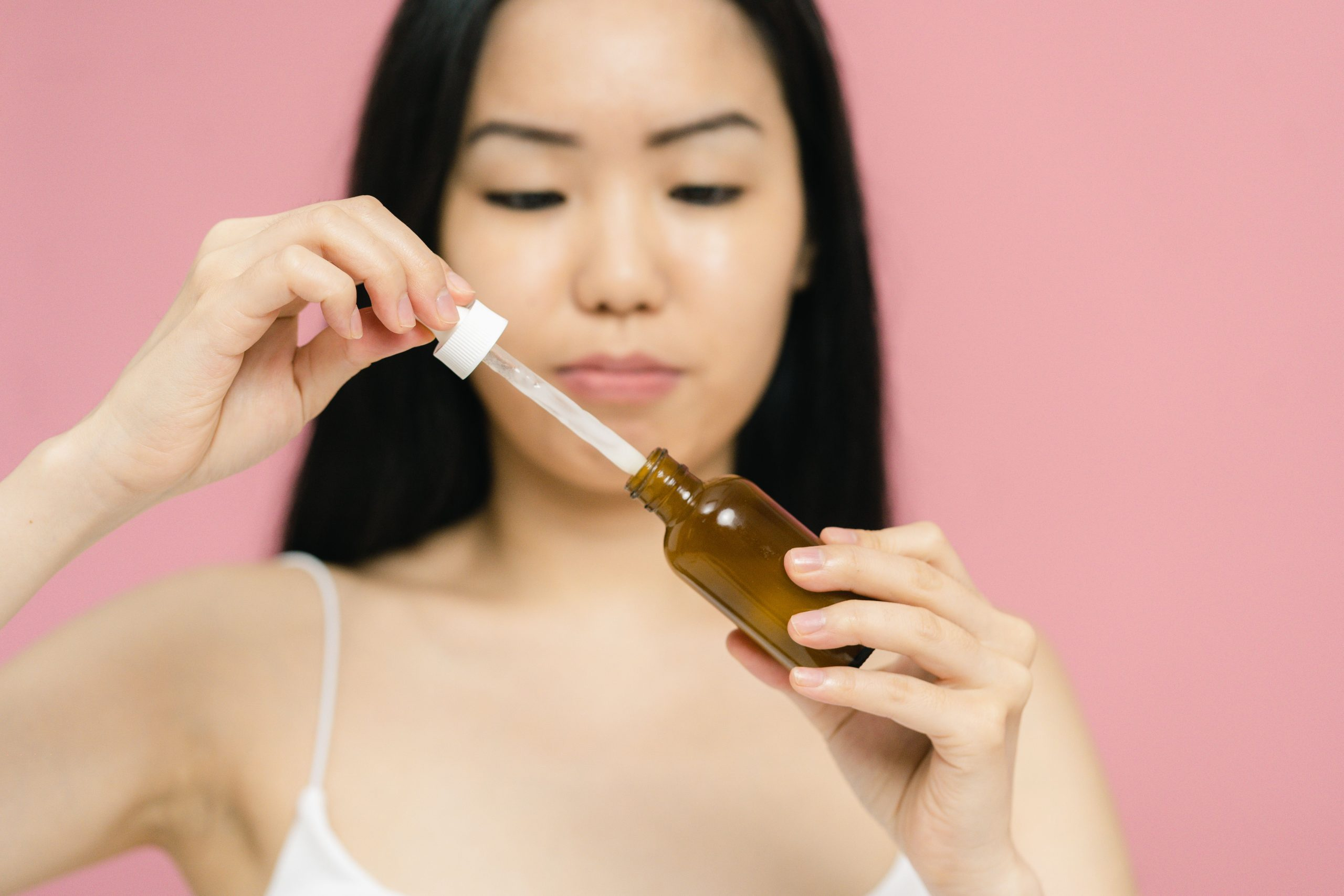
The serum in question is the Maelove Glow Maker, which has become a legendary “dupe” for the Skinceuticals CE Ferulic. While the latter is undeniably a masterpiece of formulation with a patented pH level, the price difference is staggering. The Maelove version utilizes the same core trio of 15% L-ascorbic acid, vitamin E, and ferulic acid, which work synergistically to neutralize free radicals and brighten the complexion. What makes the $30 version so impressive is its texture; it is water-light and absorbs instantly without the “hot dog water” smell or the sticky residue that often plagues high-end vitamin C formulations. By cutting out the middleman and focusing on direct-to-consumer sales, the brand manages to offer clinical-grade results at a fraction of the cost.
Another area where expensive serums often fail to justify their cost is simple hydration. Many $150 “hyaluronic acid” serums are essentially just water and glycerin with a dash of fragrance. I found that the Prequel Gleanser or their Urea-based serums provided far more sophisticated moisture than my previous luxury favorites. Urea is a keratolytic agent and a humectant, meaning it not only hydrates but also gently exfoliates and strengthens the skin barrier. While luxury brands often rely on the “prestige” of rare botanical extracts that may or may not do anything, these budget-friendly clinical brands focus on ingredients that have decades of peer-reviewed research backing their efficacy.
The shift toward affordable efficacy has also been championed by brands like Naturium and The Ordinary, which have democratized access to high-quality actives. For instance, my expensive retinol oil was easily replaced by Naturium’s Retinaldehyde Cream Serum. Retinaldehyde is only one conversion step away from retinoic acid (the active form of vitamin A), making it more potent than standard retinol but less irritating. In the past, this specific ingredient was only found in high-end French pharmacy brands or expensive dermatological lines. Now, for under $30, you can get a stabilized, encapsulated version that delivers smoother skin and reduced fine lines without the “prestige” markup.
Ultimately, the lesson learned from replacing a $200 serum is that the “experience” of skincare is different from the “efficacy” of skincare. While a heavy glass bottle and a floral scent can make a morning routine feel like a spa visit, they do nothing for the cellular turnover of your skin. If you are looking for results, you must look at the ingredient deck, the percentage of actives, and the stability of the formula. By shifting my budget toward these high-performing, lower-cost serums, I was able to invest more in professional treatments like microneedling or lasers, which provide a level of transformation that no topical product—regardless of price—can ever truly achieve.